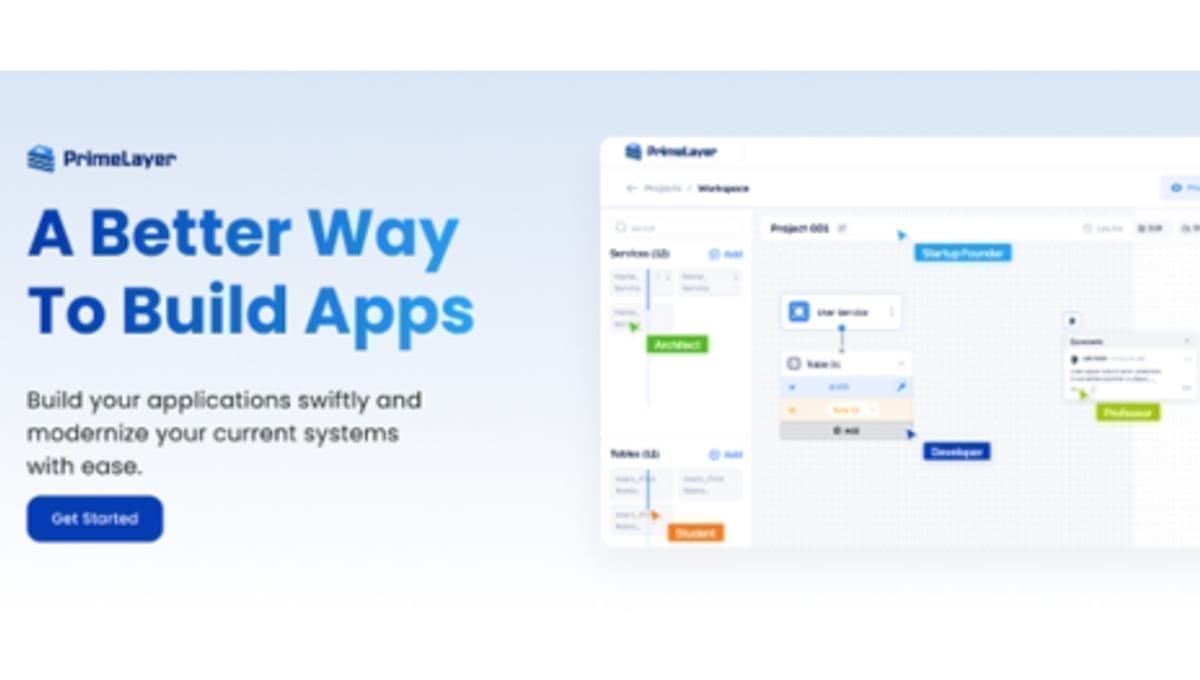
By combining intuitive visual design tools with real-time code generation, Prime Layer empowers teams to move from concept to production without the traditional back-and-forth between designers and developers. The platform supports scalable, framework-ready code output — making it ideal for rapid prototyping, MVP development, or enterprise-level app creation. Whether you're a solo developer or part of a larger team, Prime Layer accelerates your workflow while maintaining code quality and consistency.
Overview
Prime Layer is a next-generation visual app design platform that instantly converts UI designs into real, production-ready source code. Developed by Coderacle in collaboration with key partners, the platform simplifies full-stack development by bridging the gap between design and deployment. Users can visually build applications and export clean code within seconds — streamlining workflows for developers, designers, and teams.
Solution
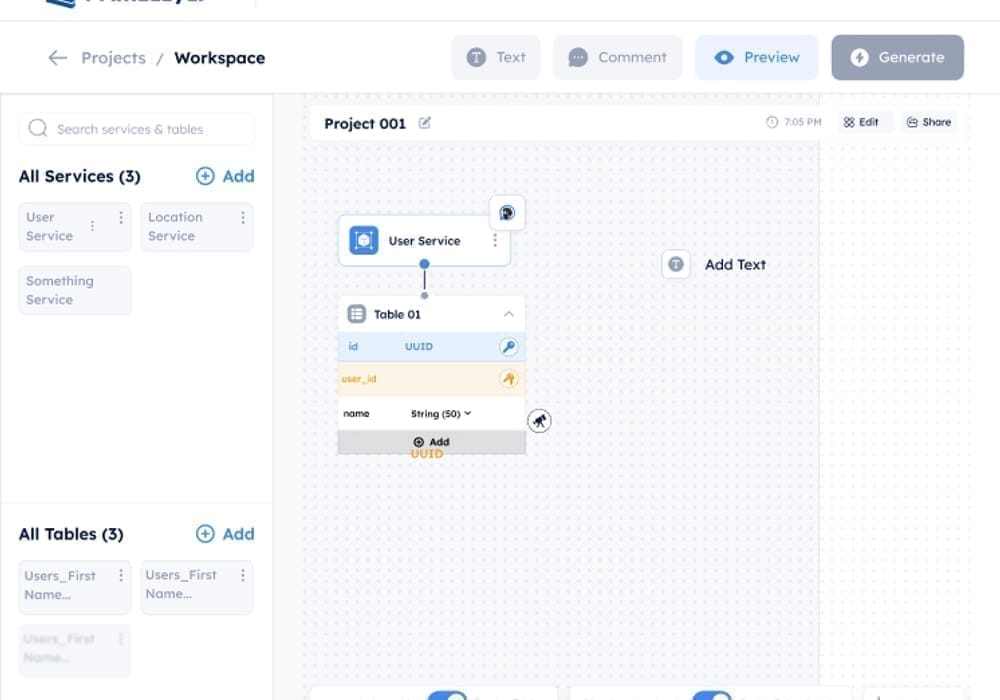
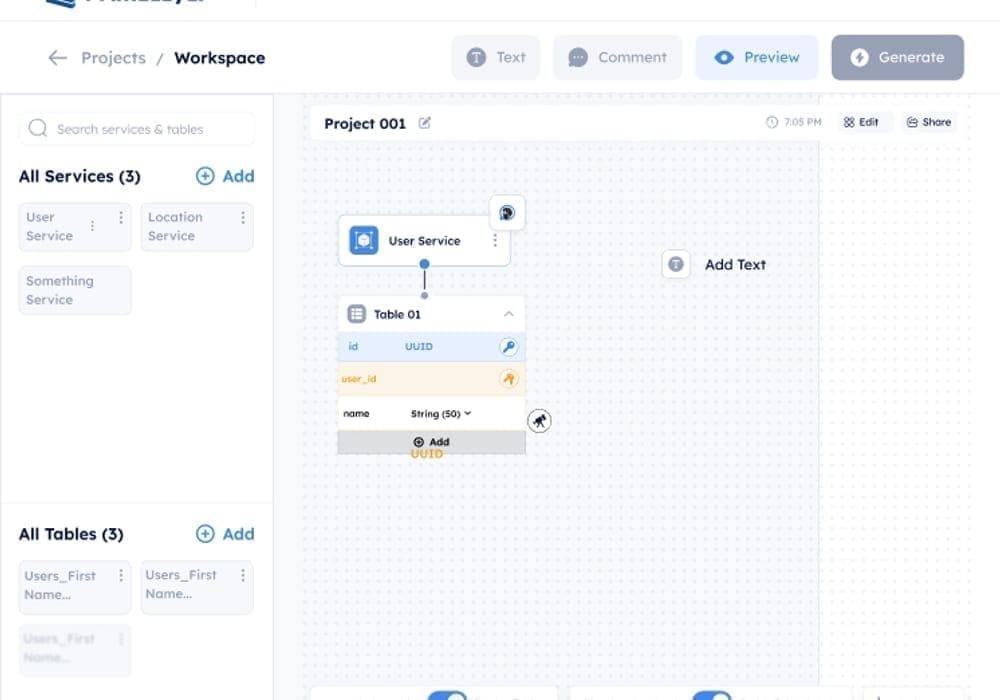
We developed Prime Layer to streamline the full-stack development process by allowing users to create responsive visual interfaces using a drag-and-drop canvas. Behind the scenes, the platform converts each design component into clean, editable source code that can be downloaded and integrated directly into existing projects. It supports major frameworks like React, Next.js, and Tailwind CSS, ensuring scalability and maintainability. Features like code previews, live editing, export options, and component libraries provide a complete toolkit for developers, designers, and tech teams alike.
Process
We began by researching modern development workflows and analyzing the disconnect between UI design tools and actual code implementation. Through interviews with developers and designers, we identified the need for a tool that offers design flexibility while generating reliable source code instantly. This research guided the foundation for Prime Layer — one that emphasizes speed, usability, and real-world developer needs.
In the development phase, we used React and Next.js to build a responsive drag-and-drop visual builder, combined with a custom code generation engine that outputs structured React/Tailwind code. We tested the platform across various use cases, ensuring that the generated code is clean, editable, and scalable. Once complete, we deployed the platform with CI/CD pipelines, cloud infrastructure, and real-time monitoring to ensure reliability and performance.
Research
We studied the workflows of modern developers, no-code platforms, and design-to-code tools to identify friction points. Our goal was to create a seamless experience that merges design freedom with real, production-level output.
Development
Using React and Next.js, we built a real-time visual editor with dynamic code rendering and export functionalities. The back end was developed with Node.js and MongoDB to manage project data, version history, and team collaboration.
Testing
We performed rigorous testing on the visual builder, code export accuracy, and browser compatibility. Real-world testing with frontend teams ensured usability and that the generated code followed best practices.
Deployment
The platform was deployed using Vercel for the frontend and AWS for the backend infrastructure. CI/CD pipelines ensured stable releases, and post-launch monitoring tools were integrated for analytics and performance tracking.
More case studies